What is biogas? Biogas is a renewable fuel produced when organic materials such as agricultural waste, animal manure, food scraps and sewage decompose in the absence of oxygen. It is an alternative energy source that can support cleaner cooking, electricity generation, industrial operations and sustainable waste management.
As the demand for renewable energy continues to grow, biogas is becoming an important part of the global transition towards sustainable energy. Its ability to convert organic waste into usable fuel makes it valuable for households, businesses and industries.
What Is Biogas and How Is It Produced?
Biogas is primarily composed of methane and carbon dioxide, along with small quantities of other gases. Its exact composition depends on the raw materials and production process.
It is generated through a natural biological process called anaerobic digestion. During this process, microorganisms break down biodegradable materials inside an enclosed tank called a biogas digester, without the presence of oxygen.
The process generally involves collecting organic waste, feeding it into a digester, allowing microorganisms to decompose the material and collecting the resulting gas. The remaining digestate can be further processed and used as an organic fertiliser or soil conditioner, subject to its nutrient content and applicable quality and safety requirements.
Biogas can be used directly for certain energy applications after appropriate conditioning. When purified to remove carbon dioxide, moisture and other impurities, it becomes biomethane, which has properties similar to natural gas.
Major Uses of Biogas in Everyday Life and Industry
Biogas has several applications across residential, commercial and industrial sectors. Its versatility makes it a useful renewable energy alternative.
1. Domestic Cooking and Heating
One of the most common uses of biogas is cooking. Households with suitable biogas plants can use the produced gas as fuel for specially designed cooking appliances.
It can also provide heat for certain domestic and agricultural applications, reducing dependence on conventional cooking fuels.
2. Electricity and Power Generation
Biogas can fuel gas engines and generators to produce electricity. Farms, wastewater treatment facilities and industries can use this energy to support their operations.
Electricity generated from biogas can help reduce dependence on grid electricity and conventional fossil-fuel-based power sources.
3. Industrial and Commercial Applications
Industries can use biogas as a fuel for boilers, heating systems and selected thermal processes, provided the gas meets the required quality and equipment specifications.
Commercial establishments, food-processing facilities and agricultural businesses can also benefit from converting organic waste into useful energy.
4. Transportation and Biomethane
Biogas can be upgraded by removing carbon dioxide, hydrogen sulphide, moisture and other impurities to produce biomethane. This biomethane can then be compressed into Bio-CNG (Compressed Biogas) for use as a vehicle fuel in compatible systems.
This renewable fuel can serve as an alternative to conventional natural gas-based vehicle fuels. Appropriate gas treatment, compression, storage and certified equipment are essential for safe handling.
7 Key Benefits of Biogas
Biogas offers environmental, economic and operational advantages, making it an important renewable energy option.
- Renewable energy generation: Biogas is produced from continuously available organic materials, making it a renewable energy resource when managed sustainably.
- Better waste management: Agricultural residues, animal manure, food waste and organic sewage can be converted into useful fuel instead of being disposed of without treatment.
- Lower greenhouse gas emissions: Capturing methane from organic waste and using it as fuel can help reduce uncontrolled methane emissions. The overall environmental benefit depends on plant efficiency and methane leakage prevention.
- Reduced dependence on fossil fuels: Biogas can replace some conventional fuels in cooking, electricity generation and industrial heating applications.
- Organic fertiliser production: The digestate left after anaerobic digestion can be processed and used as a nutrient-rich soil amendment.
- Support for rural development: Biogas projects can create employment opportunities in waste collection, plant installation, maintenance and energy distribution.
- Improved energy security: Locally produced biogas can provide an additional energy source for farms, communities and businesses, reducing reliance on imported or transported fuels.
Biogas vs Traditional Fossil Fuels
Biogas and fossil fuels can both provide usable energy, but they differ in their sources and environmental impact.
| Comparison | Biogas | Fossil Fuels |
| Source | Organic waste and biomass | Coal, petroleum and natural gas |
| Renewable nature | Renewable when sustainably produced | Non-renewable |
| Waste utilisation | Converts organic waste into energy | Does not generally utilise organic waste |
| Environmental impact | Can reduce lifecycle emissions | Generally contributes to fossil carbon emissions |
| Availability | Depends on organic feedstock | Depends on geological reserves and supply chains |
Biogas is not a complete replacement for every conventional fuel. However, it can contribute to a more diversified and sustainable energy mix.
The Role of Gas Storage and Cylinder Infrastructure
Producing renewable gas is only one part of the energy supply chain. Depending on its application, the gas may also require purification, compression, storage and transportation.
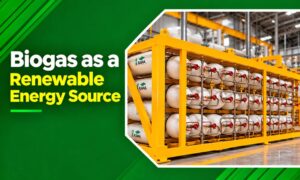
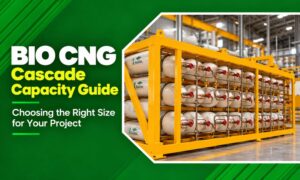
For compressed biomethane (Bio-CNG) applications, appropriately designed and certified high-pressure gas cylinders and cascade systems are essential for safe storage and transportation. These systems must be compatible with the gas composition, operating pressure and applicable safety standards.
This is where experienced gas cylinder manufacturers and infrastructure providers become relevant. Rama Cylinders offers industrial gas cylinder solutions and CNG and biogas cascade-related products that are relevant to compressed gas storage and transportation requirements.
Choosing appropriate equipment and following applicable safety standards are important steps in building reliable gas distribution infrastructure.
The Future of Biogas in Sustainable Energy
Biogas has significant potential as countries and industries look for practical ways to reduce waste and diversify their energy sources Advancements in anaerobic digestion, gas purification, biomethane production and storage infrastructure are creating opportunities for wider adoption. Agriculture, municipal waste management, food processing and industrial facilities can all contribute to this developing energy ecosystem. With appropriate technology, investment and safety practices, biogas can become an increasingly valuable component of the renewable energy sector.
Strengthening Biogas Infrastructure with Reliable Gas Cylinders. Trust Rama Cylinders for Efficient and Durable Gas Storage Solutions.
Frequently Asked Questions About Biogas
Q1: What are the main uses of biogas?
Answer: Biogas is commonly used for cooking, heating, electricity generation, industrial applications and, after upgrading to biomethane, transportation fuel.
Q2: What are the five major benefits of biogas?
Answer: The five major benefits include renewable energy production, improved waste management, reduced methane emissions, lower dependence on fossil fuels and the production of useful organic fertiliser.
Q3: Is biogas a renewable source of energy?
Answer: Yes. Biogas is considered renewable because it is generated from organic materials such as agricultural waste, food waste and animal manure that can be replenished.
Q4: What is the difference between biogas and biomethane?
Answer: Biogas is the gas produced through anaerobic digestion and contains methane, carbon dioxide and other components. Biomethane is purified biogas with a higher methane concentration, suitable for applications requiring natural-gas-like fuel quality.
Q5: Can biogas be stored in cylinders?
Answer: Raw biogas generally requires treatment before compression and storage. Upgraded biomethane can be compressed and stored in appropriately designed, certified pressure vessels. The storage equipment must meet the applicable gas compatibility and safety requirements.
Q6: How does biogas help the environment?
Answer: Biogas supports organic waste management, can reduce uncontrolled methane emissions and provides an alternative to fossil fuels. Its environmental benefits depend on responsible production and effective methane management.

Amit V. Ramsinghani
Amit V. Ramsinghani serves as the Executive Director of Rama Cylinders, overseeing daily operations since the company's inception in 2005. He holds a Bachelor of Science in Business Administration from Babson College in Boston, USA. Under his leadership, the company has strategically entered new markets, developed superior products, and secured significant global and Indian tenders.