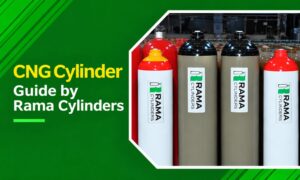
Type 1 (all-steel) cylinders are the most affordable and the most tolerant of heat and impact, which makes them a strong choice for most vehicle and industrial storage. Type 4 cylinders are the lightest but cost the most. The safest choice depends on where the cylinder will be used, how much weight matters, and the conditions it will face. This guide from a cng cylinder manufacturer in India explains each type so you can choose with confidence.
Key takeaways
- Type 1 steel cylinders are the most common and economical.
- Type 2 adds a hoop wrap to steel, reducing weight somewhat while keeping steel strength.
- Type 3 and Type 4 are composite cylinders, which are lighter but more expensive.
- Heat tolerance and impact resistance should guide your choice more than price alone.
- Regular inspection and proper storage matter as much as the cylinder type.
How CNG Cylinders Store Gas Safely
Compressed natural gas (CNG) is stored at high pressure, so the cylinder’s construction is central to safety. CNG cylinders are built to hold gas at high pressure over many years, with a robust wall, a valve system and built-in safety features. Understanding how each type is constructed makes it easier to compare them.
The 4 Types of CNG Cylinders Explained
Type 1: All-Steel Cylinders
Type 1 cylinders are made entirely of steel. They are the most economical and widely used option for CNG storage. Their thick, solid walls give them strong resistance to impact, heat and corrosion, and they go through rigorous testing under national and international standards. Their main drawback is weight, since steel is heavy.
Type 2: Steel With a Hoop Wrap
Type 2 cylinders keep a steel liner and add a composite wrap around the middle section. The wrap carries part of the pressure load, so the cylinder can be lighter than Type 1 while keeping steel’s strength. Type 2 sits between Type 1 and Type 3 in both cost and weight.
Type 3: Metal Liner With Full Composite Wrap
Type 3 cylinders use a metal liner wrapped completely in composite fibre. This construction significantly reduces weight compared with steel. The metal liner still provides a gas barrier, which is useful in many applications, but the cylinder costs more than Type 1 or Type 2.
Type 4: Polymer Liner With Full Composite Wrap
Type 4 cylinders use a non-metallic polymer liner wrapped in carbon fibre and epoxy resin. They are the lightest CNG cylinders available, which is valuable where weight matters. They are also the most expensive option. Their performance under high heat and impact depends on the specific design, so compare the certification and test data for the model you are considering.
Comparison at a glance
| Feature | Type 1 | Type 2 | Type 3 | Type 4 |
| Construction | Full steel | Steel liner with hoop wrap | Metal liner, full composite wrap | Polymer liner, full composite wrap |
| Weight | Heaviest | Lighter than Type 1 | Light | Lightest |
| Relative cost | Lowest | Moderate | Higher | Highest |
| Heat tolerance | High | High | Good | Depends on design |
| Impact resistance | Very high | High | Good | Depends on design |
| Best use | Vehicles, industrial storage | Where weight and cost are balanced | Weight-sensitive uses | Maximum weight savings |
How to Choose the Right CNG Cylinder
Choosing the right cylinder comes down to how and where you will use it. Consider these factors:
- Application: Vehicles, three-wheelers, fleets and industrial storage each have different needs. Industrial stationary storage often prioritises durability and cost over weight.
- Budget versus weight: If weight is not critical, Type 1 offers strong value. If weight directly affects performance or payload, lighter composite designs may be worth the extra cost.
- Heat and corrosion exposure: Consider the temperature, humidity and any corrosive conditions at your site. Steel cylinders are well suited to harsh conditions.
- Refilling frequency: Frequent refilling and fast filling demands can influence your choice.
- Regulatory compliance: Confirm that the cylinder meets the applicable standards and is approved for your use.
Safety and Maintenance Checklist
Even the safest cylinder needs proper care:
- Inspect regularly for leaks, dents, cracks and corrosion.
- Store away from heat and direct sunlight. Keep cylinders in a ventilated area.
- Ventilate cascade storage properly, and avoid gas buildup in enclosed spaces.
- Follow the manufacturer’s lifespan and retirement guidance. Retire any cylinder that shows damage or has reached its service limit.
- Use only certified fittings and valves and have them checked during routine service.
CNG Cylinder Manufacturers in India: What to Look For
Choosing a cylinder is only half the decision. The manufacturer behind it determines how consistently the cylinder is made, tested and supported over its working life. When you compare cng cylinder manufacturers in india, look for a company that builds to recognised standards, tests every batch, and can explain its products clearly.
Rama Cylinders is a manufacturer of high-pressure seamless steel cylinders. Our range covers CNG cylinders for vehicles and industrial storage, along with industrial gas cylinders, fire extinguisher cylinders, and medical and oxygen cylinders. Because we make a wide range of cylinders, our team can recommend the right type for your application rather than pushing a single product.
Power Your CNG Journey with the Right Cylinder. Explore Type 1–4 CNG Solutions with Rama Cylinders for Superior Safety, Strength, and Performance.
Frequently Asked Questions
Q1: Which type of CNG cylinder is the safest?
Answer: Type 1 steel cylinders are widely considered among the safest CNG cylinders because of their solid, all-metal construction and strong resistance to heat, impact and corrosion. The best choice for you depends on your application and conditions.
Q2: What is the difference between Type 1 and Type 4 CNG cylinders?
Answer: Type 1 cylinders are all-steel, heavy and the most affordable. Type 4 cylinders use a polymer liner with a carbon fibre wrap, making them the lightest and most expensive option. Choose Type 1 for value and durability, and Type 4 when weight savings justify the cost.
Q3: Are composite CNG cylinders safer than steel ones?
Answer: Not necessarily. Composite cylinders offer weight savings, but steel cylinders have a long track record of durability and strong impact resistance. Both types must meet the applicable standards, so safety depends on certification and proper use rather than material alone.
Q4 How long does a CNG cylinder last?
Answer: Lifespan depends on the cylinder type, the conditions it is used in and how well it is maintained. Follow the manufacturer’s service life and inspection guidance, and retire any cylinder that shows damage. [Insert the specific service life for your products.
Q5: Which CNG cylinder is best for a three-wheeler or car?
Answer: Vehicle use often balances weight, cost and fitment. Many buyers choose Type 1 for its value and durability. Composite designs may suit buyers who need maximum weight reduction. Confirm the cylinder fits your vehicle and is approved for it.
Q6: What precautions should I take while using a CNG cylinder?
Answer: Inspect the cylinder and fittings regularly, watch for leaks, store it away from heat and direct sunlight, keep areas ventilated, and never tamper with valves or safety devices. Have the system checked by a qualified professional.
Q7: Who are the leading CNG cylinder manufacturers in India?
Answer: Several manufacturers supply CNG cylinders across India. When comparing options, check certifications, testing practices, product range and after-sales support. Rama Cylinders is one of the established cng cylinder manufacturers in india serving industrial and vehicle customers.
Q8: How do I choose the right CNG cylinder for industrial use?
Answer:For stationary and industrial storage, prioritise durability, heat and corrosion resistance, and compliance with applicable standards. Consider your storage pressure, capacity needs and the site’s environmental conditions. Talk to an expert before finalising your choice.
Need Help Choosing a CNG Cylinder? CTA
If you are deciding between cylinder types for your vehicle or industrial application, our team can help you find the right fit. Rama Cylinders is a trusted cng cylinder manufacturer in India, and we are happy to advise.

Amit V. Ramsinghani
Amit V. Ramsinghani serves as the Executive Director of Rama Cylinders, overseeing daily operations since the company's inception in 2005. He holds a Bachelor of Science in Business Administration from Babson College in Boston, USA. Under his leadership, the company has strategically entered new markets, developed superior products, and secured significant global and Indian tenders.